Mustika Font: Elevate Your Brand Identity
It was a Tuesday afternoon, and I was staring at a stack of plain white boxes that were supposed to hold our new line of artisanal soaps. The product inside was luxurious—hand-poured, scented with rare botanicals, and wrapped in silk—but the packaging felt flat. It lacked soul. As a small business owner, you know that feeling when your visual identity doesn’t quite match the quality of what you are selling. I needed something that could bridge that gap instantly, without requiring a complete rebrand or a massive budget for custom illustration. That is when I discovered Mustika, a sweet and cool script font from Script Amp that changed how I approach my design assets.
Typography is often the unsung hero of brand identity. While colors and logos get the spotlight, the typeface you choose dictates the mood before a customer even reads the words. Mustika is not just another decorative element; it is a strategic tool for making your business look polished, consistent, and memorable. In this review, I want to share how this specific typeface can transform everyday business materials, from product labels to social media graphics, into cohesive pieces of art.
The Personality of Mustika
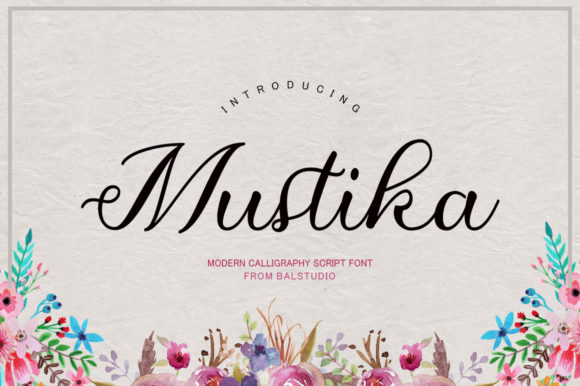
When you first load Mustika, the immediate impression is one of effortless elegance. It strikes a delicate balance between being playful and sophisticated. Many script fonts lean too far into one direction: they are either too rigid and formal, or too messy and illegible. Mustika sits comfortably in the middle. It features elegant swashes that add a touch of whimsy, yet the core letterforms remain clear and readable. This makes it an ideal premium font for businesses that want to appear approachable but professional.
The "cool" aspect of its description comes from its modern flow. It does not feel like a vintage relic; instead, it feels current and fresh. For a creative consultant, this is crucial. You want your clients’ brands to feel timeless yet relevant. Whether you are designing for a boutique clothing store, a cozy café, or a digital coaching platform, Mustika brings a human touch. It mimics the natural rhythm of handwriting, which helps build trust. In a digital world full of automated interactions, a handwritten-style font reminds customers that there are real people behind the brand.
Real-World Applications for Small Businesses
So, how does this translate to actual business use? I started testing Mustika on various touchpoints. The first win was with our product labels. On a small candle jar or a skincare bottle, space is limited. You need a font that commands attention without cluttering the design. Mustika’s swashes allowed me to create a focal point on the label. By using it for the product name and pairing it with a clean sans serif font for the ingredients list, the hierarchy became instant and intuitive. The result was a label that looked expensive and curated, elevating the perceived value of the product.
Beyond packaging, Mustika shines in digital spaces. I updated our Instagram templates to feature Mustika for quote graphics and promotional headlines. Social media moves fast, and users scroll quickly. A distinctive script font stops the scroll. It adds personality to static images, making them feel more like editorial design pieces than generic ads. We also used it for our email newsletter headers and website banners. Because it is a display font, it works best for short phrases, titles, and logos rather than long paragraphs. Using it sparingly ensures it remains special and impactful.
Another practical application was our thank-you cards. Including a handwritten note is a standard practice for e-commerce, but printing individual notes is time-consuming. Using Mustika to simulate a handwritten signature or a warm "Thank You" message on printed cards saves time while maintaining that personal connection. It makes the unboxing experience feel intimate and thoughtful, which encourages repeat customers and positive reviews.
Readability and Design Best Practices
While Mustika is beautiful, it is essential to use it wisely. As a general rule, script fonts should never be used for body text. They are designed for emphasis. When using Mustika for small labels or mobile screens, ensure there is enough contrast between the text and the background. Light gray text on a white background will disappear, especially with intricate swashes. Always test your designs in black and white first to check for readability.
Font pairing is another critical skill. Mustika pairs beautifully with minimalistic typefaces. Try combining it with a geometric sans serif for a modern, clean look, or a classic serif font for a more traditional, high-end feel. The key is contrast. If the secondary font is too decorative, it will compete with Mustika. Let the script font be the star, and let the supporting typography do the heavy lifting of information delivery. This balance creates a harmonious visual identity that feels intentional and well-designed.
Licensing and Technical Considerations
Before downloading any commercial font, always check the licensing terms. Mustika is available through Script Amp, and it is vital to ensure you have the correct license for your intended use. If you are creating physical products for sale, such as mugs, t-shirts, or packaged goods, you need a commercial license that covers merchandise. If you are using it for client work, ensure the license allows for transfer or embedding. Additionally, check the file formats included. OpenType features, such as alternates and ligatures, can give you more creative control, allowing you to customize the swashes to fit your specific design needs.
Multilingual support is also worth noting if you have a global audience. Ensure the font includes the characters necessary for your target market. A broken character or missing accent can undermine the professionalism of your brand identity. Taking these technical steps beforehand prevents headaches later and ensures your brand looks consistent across all platforms and regions.
In conclusion, Mustika is more than just a pretty typeface. It is a versatile design asset that can elevate your brand from amateur to professional. Whether you are refreshing a menu, designing a logo, or creating social media content, this font offers the elegance and clarity needed to make a lasting impression. By understanding its strengths and limitations, you can use Mustika to tell your brand’s story in a way that is both visually stunning and strategically sound. It is a small investment that yields significant returns in brand perception and customer engagement.