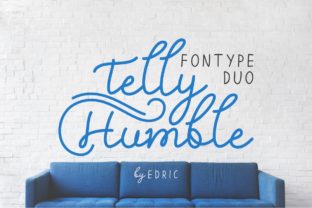
Telly Humble: A Playful Script Font for Web Design
As digital creators, we often find ourselves balancing the need for clean, functional interfaces with the desire to inject personality into our work. In a landscape dominated by minimalist sans serif fonts and rigid grid systems, finding a typeface that feels human yet remains legible on screen is a challenge. This is where Telly Humble enters the conversation. As part of the Script Amp collection, this sweet and playful handwritten font offers a unique approach to lettering that can transform sterile layouts into engaging brand experiences.
For web designers, UI specialists, and product creators, typography is not just about aesthetics; it is a functional tool that guides user behavior. Telly Humble serves as an excellent example of how a display font can be leveraged to create visual hierarchy without sacrificing the warmth of a personal touch. Whether you are designing a landing page for a coaching business, building an online store for handmade goods, or crafting a portfolio site, understanding how to deploy this font effectively is key to maximizing its impact.
Understanding the Visual Personality of Telly Humble
Telly Humble is defined by its irregular strokes and organic rhythm. Unlike traditional script fonts that mimic formal calligraphy, this typeface embraces the imperfections of natural handwriting. The letters connect with a casual flow, creating a sense of movement that draws the eye across the screen. For digital products, this "imperfect" quality is actually a strength. It signals authenticity, approachability, and creativity.
When used in web design, Telly Humble acts as a strong emotional anchor. It tells the visitor that behind the code and pixels, there is a human element. This makes it particularly effective for brands that rely on trust and personal connection, such as lifestyle bloggers, boutique retailers, and creative entrepreneurs. However, because it is a decorative display font, it must be used with intention. Its primary role is to capture attention, not to convey dense information.
Strategic Placement in Digital Layouts
To maintain readability and ensure a smooth user experience, you must be selective about where you apply Telly Humble. Here are the most effective use cases for this font in modern typography:
- Hero Sections and Headers: Use Telly Humble for large, impactful headlines on landing pages. Its distinct character stands out against clean backgrounds, immediately setting the tone for the rest of the content.
- Call-to-Action Buttons: For short phrases like "Join Now" or "Get Started," this font can add a friendly nudge. Ensure the button size is large enough to accommodate the varying heights of handwritten letters.
- Logo Design and Brand Marks: If your client needs a logo that feels bespoke and artisanal, Telly Humble provides a ready-made solution that scales well for social media graphics and website headers.
- Decorative Accents: Use it for pull quotes, section dividers, or small annotations within blog posts to break up monotony and add visual interest.
Avoid using Telly Humble for body copy, navigation menus, or form labels. Handwritten fonts generally have lower legibility at small sizes, which can frustrate users trying to scan content quickly. Instead, pair it with a highly readable sans serif font for all functional text. This contrast creates a balanced visual hierarchy where the script font highlights key messages while the sans serif ensures clarity.
Enhancing Readability and User Engagement
Readability on the web is influenced by contrast, spacing, and context. When implementing Telly Humble, pay close attention to line height and letter spacing. Handwritten fonts often have unique kerning pairs that may require manual adjustment in CSS to prevent letters from overlapping awkwardly on different screen sizes.
For mobile responsiveness, test your headings thoroughly. What looks spacious on a desktop monitor might appear cramped on a smartphone. Consider reducing the font size or switching to a simpler alternative for very small viewports if the intricate details of the script become lost. Additionally, ensure high contrast between the text color and the background. Telly Humble performs best on solid, light backgrounds or dark overlays where the white or colored text can pop without interference from busy images.
User engagement increases when visitors feel a connection to the brand voice. By using a font like Telly Humble in strategic areas, you reduce the cognitive load associated with cold, corporate designs. Users are more likely to linger on a page that feels inviting. This is particularly important for conversion-focused layouts, such as course sales pages or service offerings, where trust is a prerequisite for action.
Font Pairing and Brand Identity
Creating a cohesive brand identity requires thoughtful font pairing. Since Telly Humble is a expressive script font, it demands a neutral partner. A geometric sans serif font works well for a modern, clean look, while a classic serif font can introduce an editorial, sophisticated vibe. The goal is to let Telly Humble shine as the accent without letting it dominate the entire interface.
For example, on a coaching website, you might pair Telly Humble with a warm, humanist sans serif for body text to maintain a friendly atmosphere. In contrast, for a high-end boutique online store, pairing it with a sharp, minimal sans serif can create a chic, contemporary aesthetic. Always check the included styles and weights of your chosen body font to ensure you have enough variety for headings, subheadings, and captions.
Technical Considerations and Licensing
Before integrating Telly Humble into your next project, verify the technical specifications. Check if the package includes webfont formats such as WOFF and WOFF2, which are optimized for fast loading times on websites. Slow-loading fonts can negatively impact SEO and user experience. Also, review the multilingual support if you are designing for a global audience, ensuring that special characters and accents are rendered correctly.
Finally, always respect commercial font licensing. Using a premium font like Telly Humble for client projects, digital templates, or online stores requires the appropriate license. Ensure you have the rights to embed the font in web applications and distribute it within digital products. Proper licensing not only supports the type designers but also protects your business from legal issues. By treating typography as a valuable design asset, you elevate the quality of your work and contribute to a more professional digital ecosystem.
In summary, Telly Humble is more than just a decorative element; it is a strategic tool for building brand personality. When used with precision and paired with functional typography, it enhances visual hierarchy, improves engagement, and adds a layer of humanity to digital experiences. For designers looking to break away from the mundane, this script font offers a refreshing way to communicate warmth and creativity in every pixel.