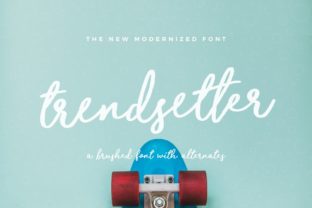
Trendsetter: A Handwritten Font for Makers
The late afternoon sun was streaming across my workbench, illuminating a stack of kraft paper tags and a half-finished batch of soy wax candles. I had the scents perfected—lavender and vanilla—but something felt off about the labels. The standard serif I had been using felt too rigid, too corporate for the cozy, handmade vibe I was aiming for. I needed something that felt like a personal note, something with warmth and a bit of edge. That is when I opened Trendsetter.
As soon as I typed out the scent name, the difference was immediate. Trendsetter is not just another script; it is a sweet and cool handwritten font with a unique style that bridges the gap between playful charm and modern sophistication. It felt like the text had been written by hand with a thick marker, capturing the organic imperfections that make handmade goods so appealing. For crafters, printable creators, and small shop owners, finding a typeface that communicates both quality and personality is essential. This font delivers that balance effortlessly.
Bringing Personality to Product Labels
In the world of handmade sales, your packaging is often the first physical interaction a customer has with your brand. Whether you are designing candle labels, boutique clothing tags, or stickers for soap bars, the typography sets the tone. Trendsetter shines in these applications because of its bold, confident strokes. It does not get lost on small surfaces. When I applied it to my candle labels, the text popped against the minimalist background, creating a focal point that drew the eye immediately.
This font is particularly effective for short phrases, product names, and titles. Its display nature means it commands attention without needing to be oversized. For makers using cutting machines like Cricut or Silhouette, the clean lines of Trendsetter translate well into vinyl cuts for mugs, shirts, and tote bags. However, readability is key. While it is beautiful for decorative wording, it is best reserved for headlines rather than long paragraphs of instructional text. Pairing it with a clean sans serif font for the smaller details, such as ingredients or care instructions, creates a professional hierarchy that is easy for customers to scan.
Elevating Stationery and Invitations
Beyond physical products, Trendsetter is a powerhouse for stationery designers and invitation creators. Imagine a wedding welcome board or a set of birthday invitations where the couple’s names are rendered in this cool, handwritten style. It adds a layer of intimacy and celebration that formal scripts sometimes lack. The modern style of the font makes it versatile enough for both rustic farmhouse themes and contemporary minimalist designs.
For printable creators, this font can transform simple digital downloads into premium design assets. Planner pages, wall art quotes, and greeting cards benefit from the emotional appeal of handwritten typography. When a customer sees a quote on wall art written in Trendsetter, it feels less like mass-produced decor and more like a personal affirmation. This perceived quality can significantly impact audience engagement, encouraging shares on social media and building a stronger connection with your brand identity.
Strategic Font Pairing and Design Balance
To get the most out of Trendsetter, consider how it interacts with other elements in your design. Because it has a strong personality, it pairs beautifully with neutral companions. A simple serif font can add a touch of traditional elegance, while a geometric sans serif keeps the look fresh and modern. Avoid pairing it with other overly decorative script fonts, as this can create visual clutter and reduce readability.
When designing for seasonal products, such as holiday gift tags or summer sale signs, Trendsetter adapts quickly. Its versatility allows it to feel festive with the right color palette or casual with a muted tone. For shop branding, consistency is crucial. Using this font across your logo design, social media graphics, and packaging helps build brand recognition. Customers begin to associate that specific handwritten look with your unique style, making your products instantly recognizable in a crowded marketplace.
Technical Considerations for Commercial Use
Before integrating Trendsetter into your commercial projects, it is important to review the technical specifications provided by Script Amp. Check the included file formats to ensure compatibility with your design software. If you are creating SVG-style designs for cutting machines, verify that the font converts cleanly without unnecessary nodes. Additionally, explore any included alternates, ligatures, or swashes. These features can add subtle customization to your designs, allowing you to tweak the flow of letters for a more natural handwritten appearance.
Licensing is another critical aspect. Ensure that your license covers the intended use, whether you are selling physical merchandise like t-shirts and mugs or digital templates and printables. Understanding the scope of your commercial font license protects your business and ensures you are respecting the creator’s work. Multilingual support is also worth checking if you plan to expand your product line to international markets, ensuring your brand message remains consistent across different languages.
Ultimately, Trendsetter is more than just a set of characters; it is a tool for storytelling. It allows makers to infuse their products with a sense of human touch and creative flair. Whether you are labeling a jar of homemade jam, designing a wedding invitation suite, or creating a new line of printable wall art, this font offers the modern typography needed to stand out. By combining its unique style with thoughtful design practices, you can elevate your product presentation and create a cohesive, engaging brand experience that resonates with your audience.